Year-Round Fence Maintenance Tips: Keep Your Fence in Top Shape Every Season
Seasonal fence maintenance is vital for maintaining both the durability and aesthetics of outdoor structures. Regular inspections and care can prevent climate-induced deterioration and pest-related issues. Each season presents unique challenges and tasks that require attention. Being aware of these seasonal obligations can substantially boost your fence's durability and aesthetic appeal. Unfortunately, numerous property owners neglect these critical routines. Therefore, what targeted actions should be taken to keep a fence in optimal condition across all seasons?
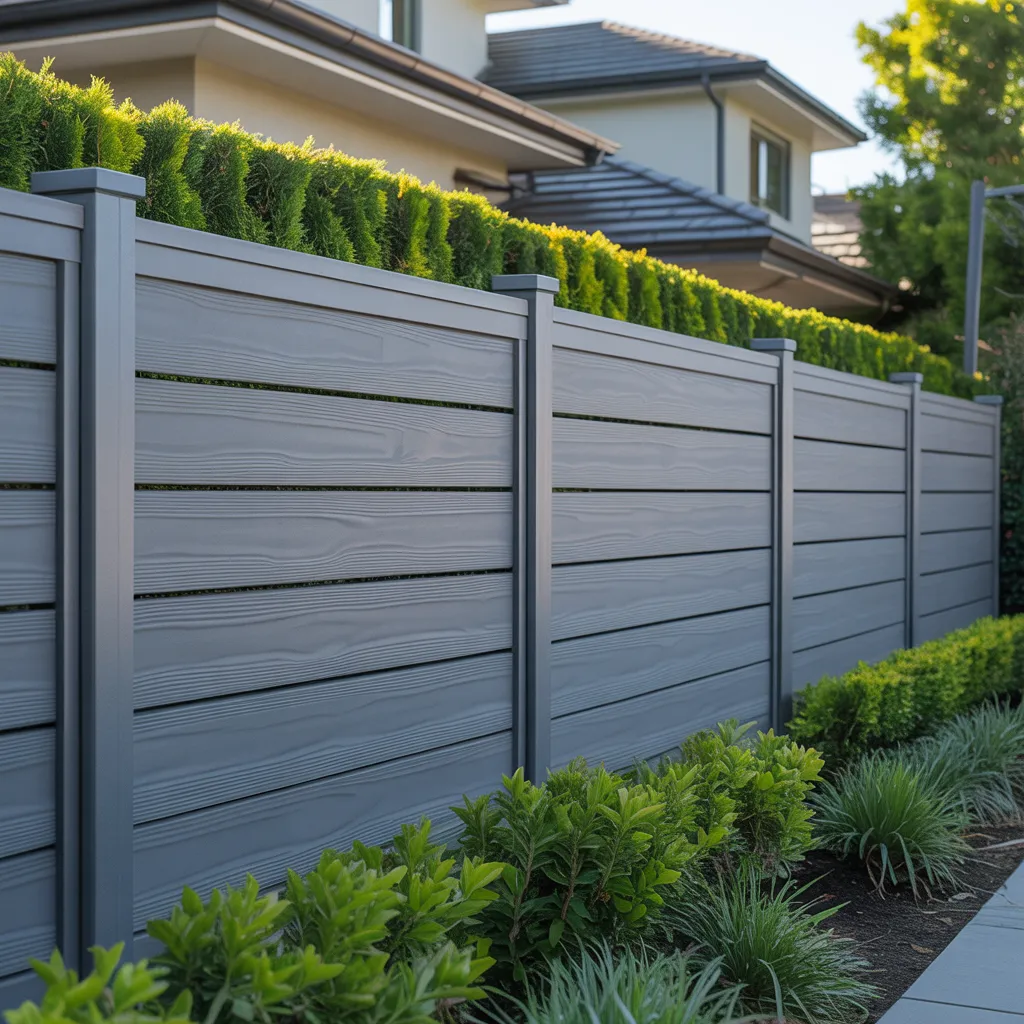
Why Seasonal Fence Maintenance Is Essential for Longevity and Aesthetics
Seasonal fence maintenance embodies a dedication to maintaining both the durability and visual appeal of outdoor fencing installations. Regular upkeep is essential in preventing damage from weather elements, pests, and natural wear. In the case of wood fences, methods including sealing and staining can protect against water damage and decay, significantly prolonging their service life. Metal fences benefit from inspections for rust or corrosion, that, if ignored, can ultimately cause significant structural damage.
Furthermore, a properly maintained fence elevates the overall look of a yard, creating a clean look that enhances the surrounding landscape. Seasonal checks allow for timely repairs, preventing small concerns are kept from becoming costly replacements. By prioritizing seasonal maintenance, homeowners not only safeguard their property value but also support the total beauty and value of their residence. Ongoing attention ultimately showcases a homeowner's devotion to their exterior property, cultivating a hospitable environment for loved ones and visitors alike.
Spring Cleanup: A Complete Fence Maintenance Checklist
As the winter season fades into spring, homeowners ought to focus on a thorough fence maintenance checklist to ensure their outdoor structures stay in top condition. Initially, a detailed inspection of the fence is essential. Property owners need to look for loose boards, rust, and any signs of rot or damage. Furthermore, debris removal is critical; clearing away leaves, dirt, and other materials reduces moisture accumulation that may undermine the integrity of the fence.
Scrubbing is the next step. A mild power rinse or scrub with soapy water can remove grime and mildew. After cleaning, homeowners should assess whether a fresh coat of sealant or stain is needed to guard against upcoming seasonal weather. Additionally, inspecting the fence posts and ensuring they are secure will enhance durability. Finally, resolving any overgrowth concerns, such as excessive foliage, ensures the fence remains properly maintained and accessible throughout the year.
Summertime Care: Defending Your Fence Against Sun Exposure
Throughout the summer season, regular maintenance is crucial for preserving a fence's durability against harsh sunlight. Extended sun exposure can cause wooden materials to fade, warp, or crack, compromising both appearance and durability. To preserve a wooden fence, routine staining or sealing is recommended. This not only improves appearance but also forms a shield against harmful UV rays.
With vinyl and metal fences, washing with a gentle detergent and water helps prevent discoloration and rust. Furthermore, inspecting for any damage, like loose boards or areas of rust, permits prompt repairs before conditions deteriorate. It is also beneficial to prune back nearby plants to reduce shading and moisture buildup, either of which can negatively impact the fence's condition. By applying these warm-weather care practices, property owners can ensure their fences stay durable and attractive throughout the season.
Readying Your Fence for Winter: Must-Do Fall Tasks
Being proactive about fence maintenance in the fall can considerably increase its longevity and usefulness through the winter months. Residents should commence by thoroughly inspecting the fence for damage, such as cracks, loose boards, or rust. All required repairs should be addressed immediately to prevent further deterioration. Cleaning the fence is also essential; removing dirt, mold, and debris helps maintain its appearance and prevents pest infestations.
Additionally, applying a protective sealant or stain can guard against moisture and freezing temperatures. For wooden fences, trimming back any overhanging branches guarantees that snow and ice do not accumulate on the structure, reducing the risk of damage. Lastly, tightening or reinforcing any loose posts will enable the fence to endure harsh winter conditions. By taking these essential steps in the fall, homeowners can guarantee their fences remain sturdy and visually appealing throughout the winter season.
Getting Your Fence Ready for Winter: Critical Steps for Protection
Winterizing a fence requires careful attention find the information to its condition and protective measures. Homeowners should first inspect for any damage that may have occurred during the year, making sure that any necessary repairs are addressed without delay. Following this assessment, applying protective coatings can help safeguard the fence against harsh winter elements.
Check For Damage
Inspecting for damage is essential as the winter months draw near, guaranteeing that fences continue to be durable and effective. Residents should carry out a comprehensive assessment of their fence , searching for indicators of deterioration like cracks, decay, or pest damage. Direct careful attention to the foundation of timber posts, as moisture buildup in these areas can result in decay. Metallic fencing structures are prone to rust and corrosion, while vinyl options can become brittle in extreme cold. Unstable boards or panels must be located and fixed to stop further deterioration during challenging weather. Routine checks not only extend the fence's durability but also preserve the property's visual appeal. Tackling concerns without delay can minimize the time and money spent on more significant repairs in the future.
Apply Protective Coatings
Once identifying existing damage during routine inspections, the application of protective coatings serves as a vital step in preparing the fence for winter. The process requires picking the suitable product based on the fence material, including wood, vinyl, or metal. With wooden fences, a premium sealant or stain helps prevent moisture penetration and resist rot. Metal fences are protected by rust-resistant paint, which guards against corrosion. Vinyl fences often need specific cleaners combined with a UV protectant to protect their appearance. Appropriate application techniques, like using brushes or sprayers, ensure an even coating. Allow sufficient drying time before harsh winter conditions begin, as this enhances the coating's effectiveness. Overall, protective coatings greatly extend the longevity and visual appeal of fences during harsh winter conditions.
Identifying and Fixing Common Fence Problems
Keeping up a fence demands vigilance to detect and correct common issues before they become serious. Residents should regularly inspect their fences for evidence of deterioration, such as loose boards, rust, or rot. Unsecured planks can be readily repaired by tightening screws or replacing damaged sections, while oxidation on metallic fence panels may necessitate cleaning, sanding, and repainting.
Furthermore, it is necessary to inspect for leaning or sagging posts, which can signal a weakened foundation. If discovered, homeowners ought to reinforce or reset the posts to restore stability.
A common concern is the existence of pests, such as termites and carpenter bees, which can damage wooden fences. Timely detection and treatment are critical to prevent extensive damage. Consistent fence maintenance and providing sufficient drainage can also reduce moisture-related issues. By remaining proactive, homeowners can prolong the life and appearance of their fences.
Choosing the Right Treatments and Sealants for Your Fence Material
Addressing common fence problems sets the stage for effective maintenance, including the selection of appropriate treatments and sealants tailored to specific materials. Timber fences, in particular, thrive with penetrating sealants that protect against moisture harm and discourage pests. A high-quality stain can enhance aesthetics while offering protection against UV rays.
Vinyl fences, in comparison, need less thorough maintenance; a straightforward scrub with soap and water is usually all that is needed. When it comes to metal fences, rust-resistant paint or sealants are essential for prolonging their lifespan, as they guard against corrosion.
It is vital to account for weather conditions when choosing treatments. In regions with elevated humidity levels, as an example, mildew-resistant products may be necessary. Ultimately, choosing the right treatment not only maintains the fence's aesthetic but also enhances its durability, ensuring that it withstands seasonal changes effectively.
Recognizing When to Call a Fence Expert
At what point should homeowners think about seeking the assistance of a fence expert? There are several key indicators that point to the need for expert guidance. For starters, if a fence exhibits considerable signs of damage, such as serious tilting, major cracks, or widespread decay, a professional can assess the damage and recommend appropriate repairs or replacements. Furthermore, if the fence needs intricate alterations or installations—like incorporating gates or raising the height—an expert's knowledge will guarantee compliance with local regulations and maximum functionality.
Moreover, property owners dealing with ongoing pest problems, such as termites or aggressive plant growth, stand to gain from the targeted treatment strategies of a professional. To conclude, should a homeowner find the upkeep too demanding or does not possess the required tools and expertise, bringing in a fencing professional can save valuable time while ensuring superior results. All things considered, recognizing these signs can help homeowners maintain their fences in peak condition.
Popular Questions Answered
How Regularly Should I Examine My Fence for Damage?
Routine fence inspections ought to take place no fewer than twice per year, with spring and fall being the ideal times. Additional inspections are recommended after severe weather events to promptly identify and address any possible harm.
What Fence Materials Require the Least Maintenance?
Vinyl and aluminum fence options need the least amount of care because of their long-lasting nature and ability to resist rot, rust, and fading. These fencing materials generally require only periodic cleaning, making them ideal for low-maintenance fencing solutions.
Am I Able to Paint My Fence Throughout the Year?
Fence painting is possible at any time of year, but the best results are achieved in mild, dry weather. High humidity or extreme temperatures may impact paint adhesion and drying time, which could result in an uneven finish or peeling over time.
How Does Weather Impact Fence Maintenance Schedules?
Weather conditions notably impact fence care schedules. Rain and humidity can delay painting or staining, while excessive heat might result in material warping. Changes across seasons call for adjustments in upkeep timing to ensure optimal preservation and durability.
What Tools Do I Need for Basic Fence Maintenance?
Proper fence upkeep calls for a few essential tools: a power washer or water hose, brushes, paint or stain spreading tools, a reliable hammer, nails and fasteners, a leveling tool, and appropriate protective gear. With these tools, you can maintain your fence effectively and maximize its durability.