Skilled Fence Repair Services: Bring Back Your Fence's Beauty and Performance
Expert fence repair services play an essential role in maintaining the aesthetic and functional integrity of various properties. Fences sustain numerous forms of damage, from rot to pest infestation, which can threaten security and overall property value. Skilled professionals assess these issues meticulously and formulate effective repair strategies. Grasping the complexities of fence repair can considerably affect long-term preservation. What measures should property owners take when confronting these issues?
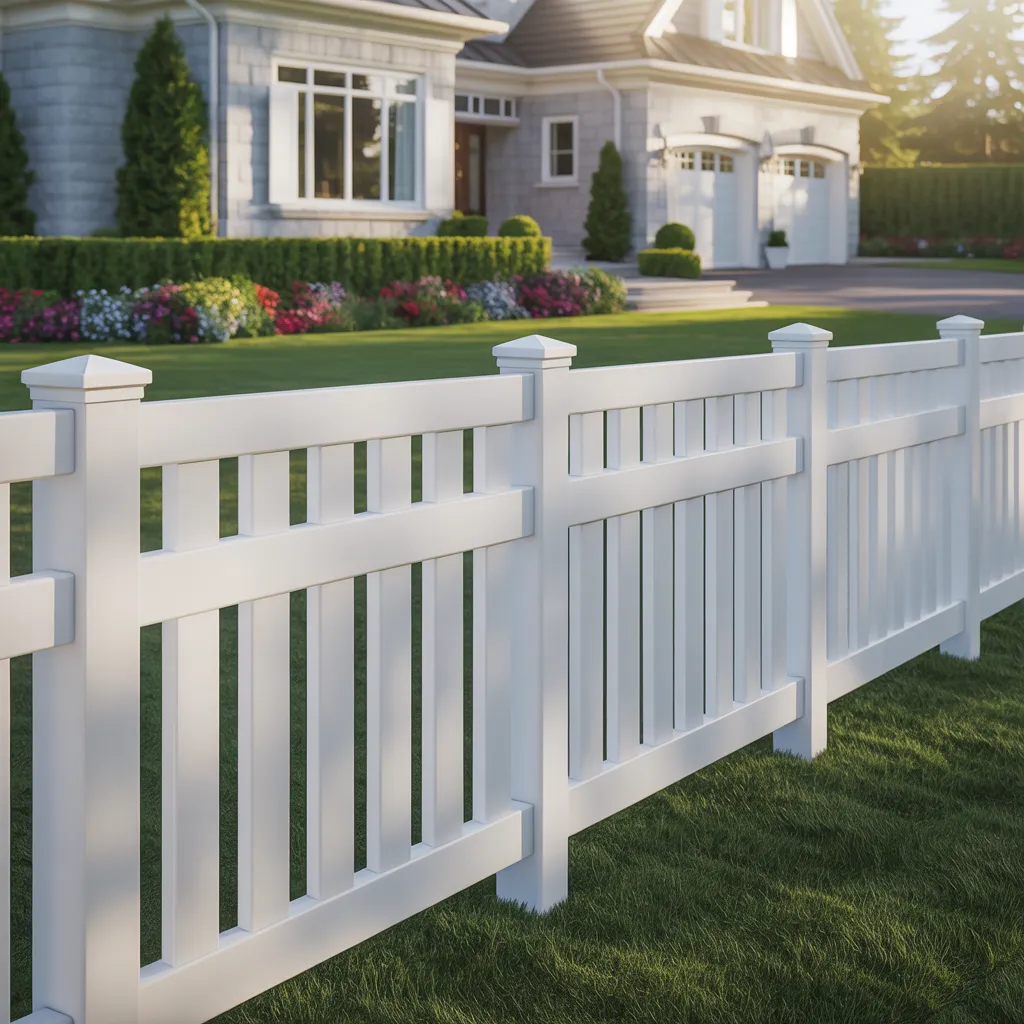
Why Fence Repair Matters for Property Value and Safety
Keeping a well-maintained fence is crucial for protecting both the value of a property and the safety of its occupants. A durable and visually attractive fence improves the general appearance of a property, raising its appeal to those looking to purchase. An intact fence delineates boundaries, offering peace of mind and protection for both homeowners and their animals. Neglecting fence repair can lead to deterioration, potentially lowering property value while raising the likelihood of safety hazards.
Additionally, a deteriorating fence can attract unwanted visitors and animals, creating potential safety risks. Prompt repairs help avoid additional problems, confirming the fence operates at its full capacity. Routine upkeep also prolongs the life of the fence, reducing long-term costs for property owners. Ultimately, prioritizing fence repair not only protects the physical structure but also contributes to the overall safety and aesthetic integrity of the property.
Frequent Types of Fence Damage and Their Origins
Fences are frequently damaged by numerous environmental and biological elements. Climate-related concerns, like heavy rainfall, snow, or extreme temperatures, are capable of deteriorating materials and causing structural damage. Furthermore, pest infestations can compromise the integrity of a fence, requiring prompt repairs to preserve safety and appearance.
Weather-Induced Damage Factors
Severe weather conditions can considerably affect the integrity of fences, resulting in various types of damage. High winds often cause panels to buckle or fracture, while excessive rainfall can lead to saturated ground that undermines the base of the fence. The buildup of snow can place excessive weight, causing damage or structural failure, especially in wood-based fence structures. Additionally, extreme temperatures can cause materials to expand and shrink, leading to cracks and warping. Direct sunlight and UV rays can break down finishes and erode material strength over time. These environmental influences not only affect the aesthetic appeal of a fence but also its structural efficiency, making immediate repairs essential to guarantee durability and copyright the value of your property. Periodic assessments can help uncover developing concerns before they worsen.
Pest Infestation Problems
Pest invasions can quietly compromise the integrity of a fence, leading to significant harm over time. Common culprits include termites, which feed on wooden structures, creating structural weakness and ultimately leading to a collapse. Carpenter ants, equally damaging, excavate wood to more info create nests, further compromising the fence's stability. Furthermore, rodents may damage fencing materials, in search of shelter or food. Such infestations frequently remain undetected until significant harm has occurred, requiring costly replacements or repairs. Routine inspections and timely treatments are critical to minimize these risks. By tackling pest concerns promptly, homeowners can protect the aesthetic and structural integrity of their fences while avoiding long-term damage brought about by these invasive species.
How to Detect Fence Damage
A comprehensive evaluation can reveal several indicators of damage to the fence that could easily go unnoticed. Homeowners should start by checking the fence posts for decomposition or decay, commonly discovered at ground level where dampness builds up. Cracks or warping in the wood can signal structural instability. Moreover, checking for loose or missing nails and screws is important, as such issues can weaken the fence's structure.
One other critical factor is to assess the panels for distortion or slanting, which could indicate deeper problems. Metallic fence structures should be inspected for corrosive damage or rust buildup, while vinyl fences might exhibit discoloration or splitting. Lastly, spaces where the fence meets the ground can signal soil erosion or pest infiltration. Consistent evaluations help homeowners to catch these concerns before they worsen, allowing for quick resolutions that copyright the fence's functionality and aesthetic appeal.
What Services Do Fence Repair Experts Provide?
Fence restoration specialists identify and tackle a variety of issues to reinforce and preserve the overall condition of fence installations. They initiate the process with a thorough inspection, identifying damage such as deteriorating planks, corroded fasteners, or compromised stability. After the issues have been identified, these professionals develop a customized restoration strategy that may include replacing damaged sections, applying protective coatings, or reinforcing weak spots.
In addition to physical repairs, fence repair experts also offer maintenance advice to extend the life of the fence. This may involve guidance on regular inspections, thorough cleaning, and protection from pests and weather-related wear. If necessary, they can assist in selecting appropriate materials that match the existing fence style while ensuring long-lasting performance. At the core of their service, their specialized skills confirm that the fence delivers both visual appeal and reliable functionality, offering both protection and added value to the premises.
Why Choose a Fence Repair Expert?
What are the reasons property owners should hire a fence repair specialist? Working with a professional can ensure that all repairs are carried out thoroughly and effectively, preserving the overall condition and durability of the fence. Skilled specialists bring the essential capabilities, instruments, and insight needed to properly assess damage and execute the right solutions. This level of knowledge is valuable in detecting concealed concerns that an untrained individual may overlook, helping to prevent problems from arising in the future.
Furthermore, specialists are thoroughly familiar with local regulations and can ensure compliance, avoiding possible legal problems. Working with an expert also eliminates unnecessary time loss; homeowners can sidestep the guesswork commonly tied to DIY fixes. Beyond that, a properly restored fence improves curb appeal and property worth, delivering a worthwhile return on the investment. At the end of the day, home owners can experience peace of mind knowing their fence is managed by qualified hands, allowing them to focus on other important aspects of home maintenance.
Should You DIY or Hire a Pro for Fence Repair?
When evaluating fence repair, one must evaluate one's own abilities and the time investment required for the task. Furthermore, a financial comparison between doing it yourself and bringing in an expert can greatly influence the decision. Considering these elements will help determine the most practical approach for fence repair.
Examine Your Skills Honestly
Deciding whether to handle fence repair independently or enlist professional help relies on an objective evaluation of one's skills. Individuals must critically examine their experience with tools and familiarity with fencing materials. Individuals with prior home improvement knowledge may feel confident handling basic maintenance, such as changing boards or fastening loose nails. On the other hand, complicated problems like structural damage or electrical components require expert understanding that may exceed a novice's capabilities. Furthermore, assessing your physical endurance is essential; fence repair can require significant physical exertion. Ultimately, recognizing personal limitations can avoid expensive errors and ensure that fixes bring back the fence's functionality and aesthetic appeal. Choosing wisely will lead to a better result, whether opting for a DIY approach or hiring a professional.
Evaluate Time Commitment Required
The amount of time available for fence repair can heavily impact the determination between a do-it-yourself approach and working with a professional. Homeowners must realistically assess their time constraints and availability. A do-it-yourself project might seem like a good idea, but it often requires a considerable investment of time, particularly for those without prior experience. Tasks such as clearing away old materials, measuring the space, and fitting new sections can be lengthy and labor-intensive. Conversely, skilled professionals offer efficiency and expertise, often completing repairs in a fraction of the time. In evaluating the time involved, individuals should also factor in potential delays due to weather or unforeseen complications. Ultimately, a solid grasp of the time at hand can direct homeowners to the most appropriate solution for their fencing repair requirements.
Cost Comparison: DIY vs. Pro
While weighing the expenses of handling fence repairs independently against hiring a professional, homeowners ought to evaluate not only the direct expense but also the importance of their personal time. DIY repairs often appear less expensive upfront, primarily involving material costs. However, homeowners must factor in possible errors, which can result in additional expenses. In contrast, professional services may have greater upfront costs, but they deliver expertise, quality workmanship, and a warranty, ensuring lasting results. Assessing the scope of the repair is crucial; simple fixes may be well-suited for DIY, while significant structural issues may require professional intervention. Ultimately, the choice depends on finding equilibrium between current costs and future value and the homeowner's familiarity with DIY tasks.
Best Practices for Fence Maintenance After Repairs
Once fence repairs are complete, homeowners should prioritize proper maintenance to maximize the longevity of their investment. Routine inspections are essential; checking for loose boards, rust, or signs of rot can keep small issues from becoming larger ones. Periodically cleaning the fence with a soft soap solution helps remove dirt and mildew, maintaining its visual appeal.
Additionally, adding a sealant or stain for protection every couple of years will protect the fence material from harsh weather conditions and UV exposure. Homeowners should also ensure that nearby plants are kept trimmed to stop overgrowth from harming the fence.
Good drainage is vital; ensuring that water does not collect near the fence's base can mitigate damage from moisture. Additionally, preserving an open space around the fence helps reduce the risk of accidental collisions from lawn machinery or bulky items. Adhering to these guidelines will preserve the fence's appearance and performance well beyond the repair process.

Common Questions and Answers
How Long Does a Typical Fence Repair Take?
A typical fence repair generally takes anywhere from a few hours to several days, based on the severity of the damage and the type of materials used. Factors such as weather may also influence the timeline.
What Are the Best Materials for Fence Repairs?
Wood, vinyl, and metal serve as excellent choices for fence repairs. Each option comes with its own set of benefits: wood contributes natural beauty, vinyl guarantees durability, and metal offers outstanding structural integrity. Choosing the right material depends on specific needs and environmental factors.
Is It Possible to Paint My Fence Following Repairs?
After repairs, painting a fence is entirely feasible and commonly suggested. Doing so boosts visual appeal while also delivering protective benefits. It's crucial to verify the surface is clean and dry before applying paint for best adherence and longevity.
Are Home Repairs Covered Under Homeowners Insurance?
Homeowners insurance may cover repairs, subject to the policy conditions and the reason for the damage. Homeowners should review their specific coverage details or consult their insurance provider for clarification on repair eligibility.
What Steps Should I Take if My Fence Is Leaning?
When a fence begins to lean, the property owner should evaluate the reason, such as decay or soil erosion. Reinforcing the posts or adjusting the level might be required, and professional help could guarantee a long-lasting solution.